
Teenage Concussion



Symptoms
It is not always easy to know if someone has a concussion. You don't have to lose consciousness to have a concussion, in fact the majority of concussions occur without loss of consciousness. Often other symptoms don’t occur immediately so it is best to continue to monitor someone who has hit their head.
Because everyone's brain works differently, symptoms vary for everybody. It is important to remember that each concussion is unique. Symptoms of a concussion range from mild to severe and can last for hours, days, weeks, or even months. If you notice any symptoms of a concussion at any point following a hit to the head, contact your doctor.
It is important to keep a record of when, where and why you are experiencing any symptoms to help you understand your injury and navigate your recovery. You can download our Concussion Diary Template here.
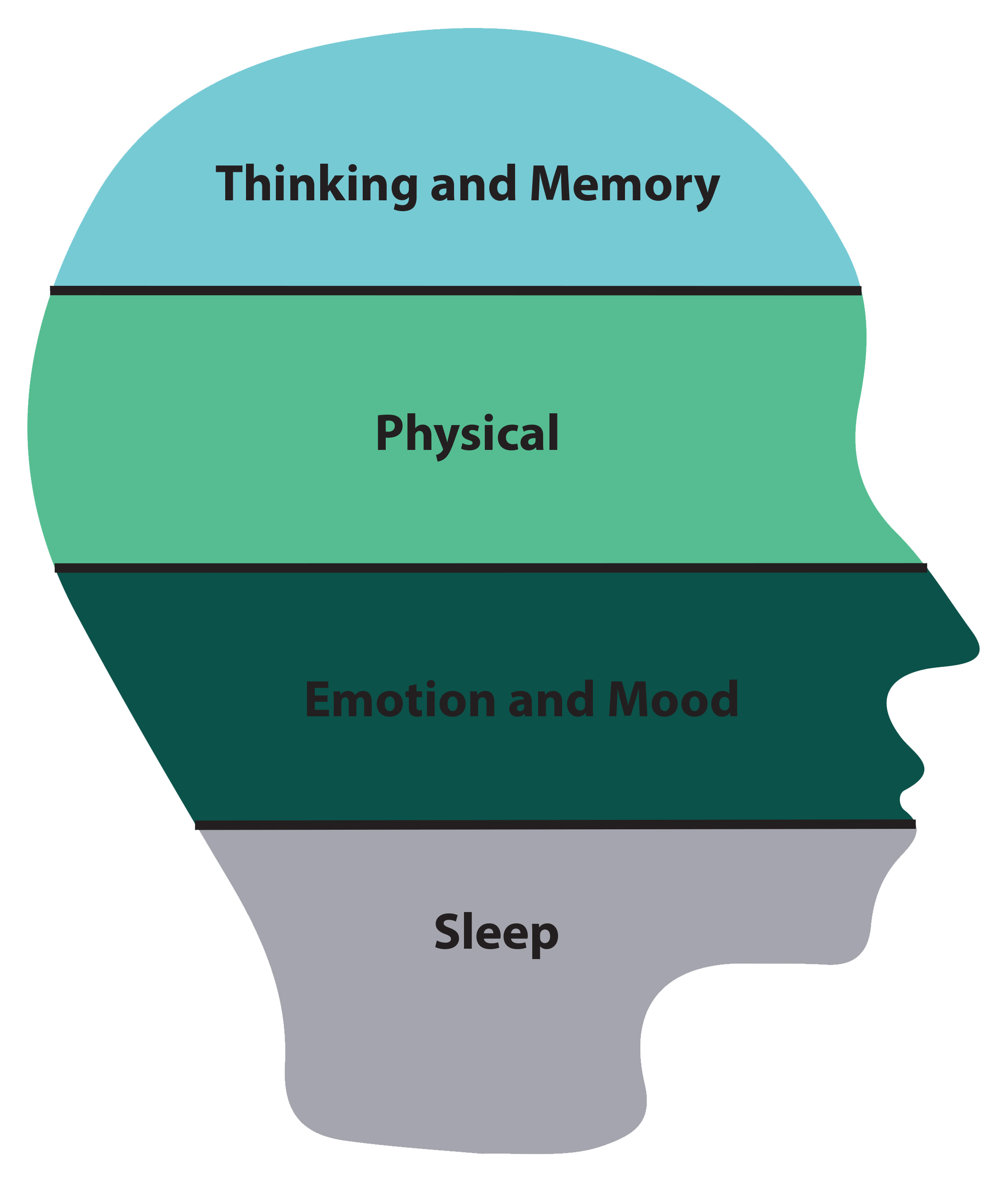
Thinking and Memory
Some of the most common symptoms of concussion are to do with changes in thinking and memory. These symptoms include, difficulty thinking clearly, poor memory and concentration, and feeling sluggish, hazy, foggy or groggy. Along with this, reasoning and problem solving can be challenging. These symptoms can be the hardest for other people to see. But it is often these symptoms that have the most impact on school and other activities. Along with this, a symptom that is not often talked about is a difficulty processing information, particularly in conversation. This can make talking in groups, such as at school and with friends, very difficult.

Physical
Physical symptoms can be seen and felt, both initially and throughout the recovery period. These symptoms vary greatly from person to person but can include headaches, fatigue, dizziness, nausea, balance problems and sensitivity to noise or light. These symptoms are often the most noticeable and understood. Because they are the easiest to identify, these symptom are often how a concussion is diagnosed.

Emotion and Mood
Some concussions will also result in symptoms relating to mood, behaviour and personality changes. These types of symptoms include irritability, sadness, nervousness, anxiety and being generally more emotional. An increase in these symptoms can be as a result of fatigue or feeling overwhelmed.
Sleep
Concussions can have a major impact on sleep patterns, whether it results in more or less sleep than usual. In the first 48 hours after the injury it is important to continue to monitor symptoms and because of this many health professionals recommend waking someone with concussion every 4-5 hours. After this time, the more sleep, the better, as is an important part of recovery.